
Chicago's strict enforcement of the TCPA bans automated calls to cell phones without prior consent. Law firms operating in Chicago must adhere to "Do Not Call" requests faced with significant fines and legal action. This city showcases a shift towards innovative, digital law services that revolutionize traditional settings, making legal access more affordable and tailored.
In the vibrant city of Chicago, navigating communication laws is essential for businesses and legal professionals alike. The Telephone Consumer Protection Act (TCPA) plays a pivotal role in regulating telemarketing practices, with significant implications for do-not-call lists in Illinois. This article delves into Chicago's unique TCPA regulations, exploring their impact on law firms and businesses operating within the city. We analyze real-world enforcement actions to provide an insightful legal overview, guiding readers through this complex landscape.
Chicago's TCPA Regulations: A Legal Overview
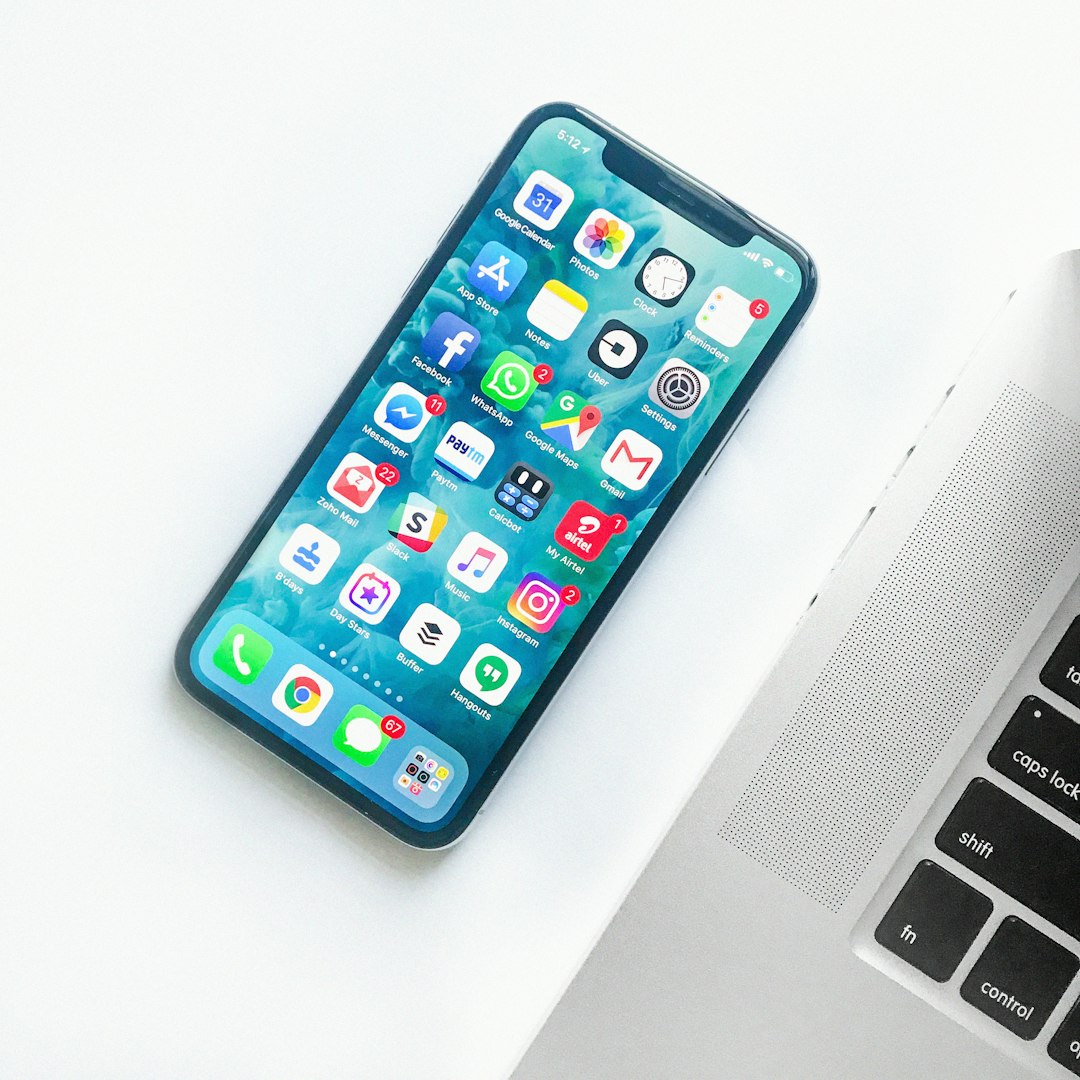
In Chicago, the Telephone Consumer Protection Act (TCPA) regulations are strictly enforced to protect residents from unwanted phone calls and text messages, particularly from law firms. The TCPA prohibits automated or prerecorded calls to cell phones unless the caller has obtained prior express consent from the recipient. This includes marketing calls from law firms seeking new clients in Chicago.
Chicago's TCPA laws further delineate that businesses must cease contacting a consumer if they request to be removed from a call list. Any violation of these rules can result in significant fines, making it crucial for law firms operating in Chicago to understand and adhere to these regulations. In the event of a complaint, consumers have the right to file suit, seeking up to $500 for each violative phone call or text message.
Do Not Call Lists and Their Implications in Illinois

Enforcement Actions: Real-World Examples in Chicago Law

In recent years, enforcement actions related to the Telephone Consumer Protection Act (TCPA) have shed light on its practical application in Chicago. The TCPA restricts unsolicited telephone calls and messages, aiming to protect consumers from intrusive marketing practices. One notable example involves a local law firm that received a $1 million fine for making hundreds of thousands of automated calls to Illinois residents without proper consent, violating the TCPA's do-not-call rules. This case highlights the strict enforcement of these regulations in Chicago and serves as a warning to businesses operating within the city.
Additionally, Chicago's federal court has seen several cases where individuals have sued companies for TCPA violations. For instance, a class-action lawsuit was filed against a national call center for making repeated sales calls to consumers who were on the National Do Not Call Registry. Such real-world scenarios illustrate how the TCPA is enforced and the potential consequences of non-compliance in Chicago's legal landscape.