Do-Not-Call Lawyer in Chicago: Navigating Legal Protections Against Unwanted Solicitation
Introduction
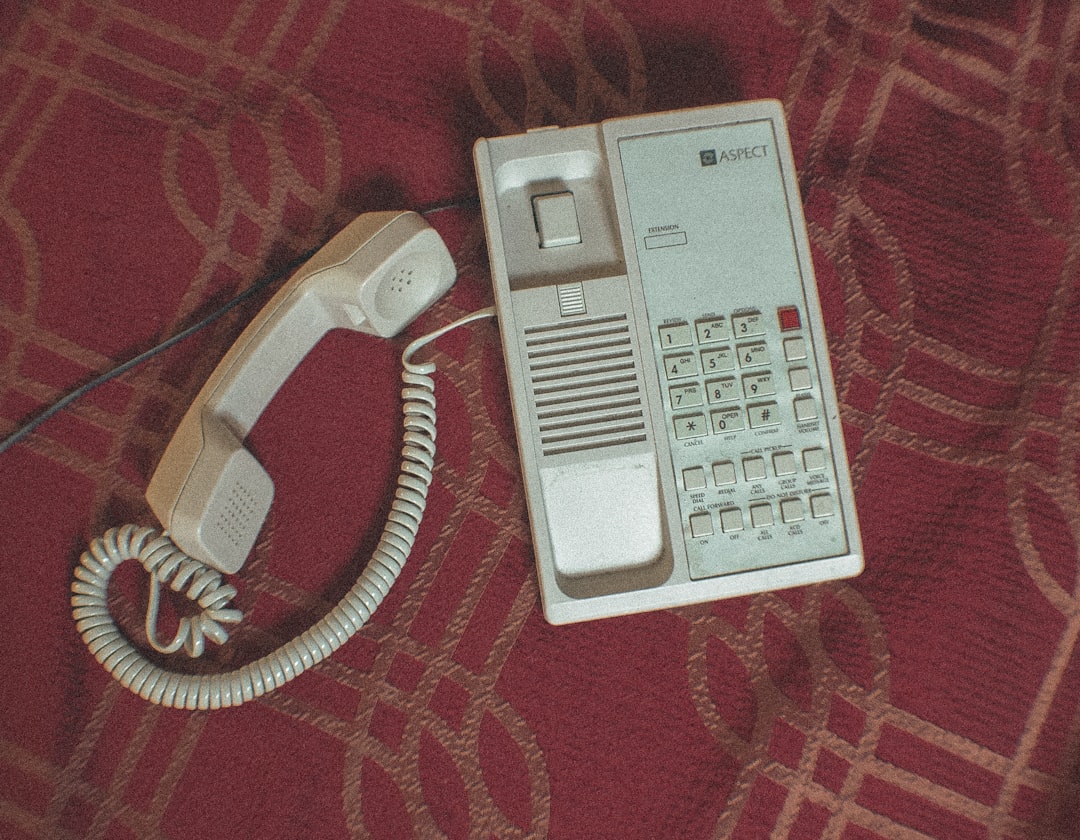
In the bustling metropolis of Chicago, residents have long enjoyed a certain degree of privacy and peace within their own homes. One of the ways this is ensured is through the Do-Not-Call Lawyer, a legal provision that protects citizens from unwanted solicitation calls. This article delves into the intricacies of this law, its significance in the lives of Chicagoans, and its broader implications within the legal landscape. By exploring its historical context, economic considerations, technological advancements, policy frameworks, and future prospects, we aim to provide a comprehensive understanding of how this law serves as a bulwark against intrusive sales calls.
Understanding Do-Not-Call Lawyer in Chicago
The Do-Not-Call Lawyer in Chicago is a legal entity created to enforce the Illinois Do-Not-Call Act. This act was established to give consumers control over telemarketing calls by requiring telemarketers to honor a consumer's request not to be called with unsolicited offers. The law outlines a registry system where individuals can register their phone numbers, both landline and mobile, to be added to the National Do-Not-Call Registry and thus receive fewer unwanted sales calls.
Historically, the Telemarketing Sales Rule (TSR) was enacted by the Federal Trade Commission (FTC) in 1995 to address the problem of unsolicited telemarketing calls across the United States. Illinois further bolstered these protections with its own state law, providing residents with additional safeguards against unwanted solicitation.
Global Impact and Trends
The concept of a Do-Not-Call registry has seen widespread adoption globally, with many countries implementing similar laws to protect their citizens. The European Union's Telemarketing Directive and the General Data Protection Regulation (GDPR) exemplify international efforts to regulate data protection and privacy in the realm of telemarketing.
Trends indicate a shift towards more stringent regulations as public concern over privacy grows. With advancements in technology, such as automated dialing systems and artificial intelligence, the volume and sophistication of unsolicited calls have increased, necessitating stronger legal measures to address these challenges.
Economic Considerations
The Do-Not-Call Lawyer in Chicago has economic implications for both consumers and telemarketers. For consumers, it means less disruption and potential savings from avoiding fraudulent schemes often presented through unsolicited calls. For telemarketers, compliance with the law is a necessity to maintain consumer trust and avoid costly fines or legal action.
Market dynamics are influenced by these regulations, as businesses must adapt their strategies to reach consumers without violating the law. The costs associated with maintaining an up-to-date Do-Not-Call list and ensuring compliance can be substantial for telemarketing firms but are outweighed by the benefits of consumer trust and loyalty.
Technological Advancements
The evolution of call management technology has been pivotal in enforcing the Do-Not-Call Lawyer's regulations. Automated systems now cross-reference real-time against Do-Not-Call registries, significantly reducing the number of illegal calls made to registered numbers.
Future advancements may include AI-driven solutions that can predict and prevent violations before they occur, further enhancing compliance. Additionally, blockchain technology could offer new ways to securely manage and verify consumer preferences on an immutable ledger.
Policy and Regulation
The Do-Not-Call Lawyer operates under a framework of policies and regulations that govern its enforcement. At the federal level, the FTC's TSR sets the standards for telemarketing sales practices, while at the state level, Illinois has additional provisions to protect consumers. These regulations require telemarketers to maintain their own internal Do-Not-Call lists and to cease calling any number on request.
Non-compliance can lead to significant penalties, serving as a deterrent for violations. The law also provides a mechanism for consumers to report offenders, thereby fostering an environment of accountability.
Challenges and Criticisms
Despite its effectiveness, the Do-Not-Call Lawyer in Chicago faces challenges, including evolving telephone technologies that enable spoofing and illegal robocalls. Critics argue that while the law offers a layer of protection, it is not foolproof due to these technological advancements.
To address these issues, ongoing investments in call authentication technology are necessary. Moreover, stricter enforcement and collaboration between regulatory bodies and telecommunication companies can help mitigate these challenges.
Case Studies
Several case studies highlight the effectiveness of the Do-Not-Call Lawyer in Chicago. One such example is the successful prosecution of a telemarketing operation that had illegally called thousands of Illinois residents despite being on the registry. This case underscored the importance of the law and its enforcement.
Another case involved a technological solution where a company developed a system to detect and block illegal robocalls, significantly reducing the nuisance for consumers. These instances demonstrate the practical impact of the Do-Not-Call Lawyer in protecting consumer rights.
Future Prospects
As technology continues to evolve, so too must the regulations surrounding telemarketing. The Do-Not-Call Lawyer in Chicago will likely adapt to include new protections against emerging threats such as call spoofing and deep voice AI technologies.
Consumer education remains a critical component of this ecosystem. By understanding their rights and how to utilize available resources, consumers can better protect themselves from unwanted solicitations. The future of the Do-Not-Call Lawyer is one of continuous evolution, ensuring that it remains an effective tool in safeguarding consumer privacy and trust.
In conclusion, the Do-Not-Call Lawyer in Chicago plays a vital role in maintaining the balance between legitimate business practices and consumer rights. Through a combination of stringent regulations, technological innovation, and consumer awareness, it effectively addresses the challenges posed by unsolicited telemarketing calls. As technology and consumer behavior continue to change, so too will the Do-Not-Call Lawyer, ensuring that Chicagoans can enjoy their homes and personal time without the disruption of unwanted sales calls.
January 4, 2026
Do Not Call Lawyer Chicago Expert
Chicago strengthens consumer rights through multi-faceted initiatives. Key elements include: legal education workshops, online resources, collaboration with Do Not Call Law Firm Chicago Naturally for ethical standards training, and accessible platforms for information sharing. Strategic actions invo.......
Read more →
January 1, 2026
Do Not Call Lawyer Chicago Expert
In Chicago's competitive legal services market, resource sharing among telemarketing firms is vital for success. Collaborative practices enhance campaign performance through knowledge and data exchange, leading to personalized outreach, increased conversion rates, and identification of underser.......
Read more →
December 30, 2025
Do Not Call Lawyer Chicago Expert
Chicago's strict telemarketing regulations require businesses to register, comply with Do Not Call lists, TCPA, and state laws. Hiring a lawyer for Do Not Call Chicago ensures compliance, avoids penalties, and maintains consumer trust through proper opt-in/opt-out systems. Community engagement,.......
Read more →
December 28, 2025
Do Not Call Lawyer Chicago Expert
Chicago's telemarketing environment needs stronger regulations to balance business opportunities with resident privacy. Key issues include unwanted calls, robocalls, and gaps in existing laws. Strategies for improvement involve data gathering, policy engagement, collaboration with advocacy grou.......
Read more →
December 28, 2025
Do Not Call Lawyer Chicago Expert
Chicago partnerships for telemarketing collaboration enhance consumer education and differentiate legitimate businesses from scammers. Key resources include chambers of commerce, BBB chapters, industry associations, and non-profits. These collaborations create an ethical ecosystem, amplify reach, an.......
Read more →